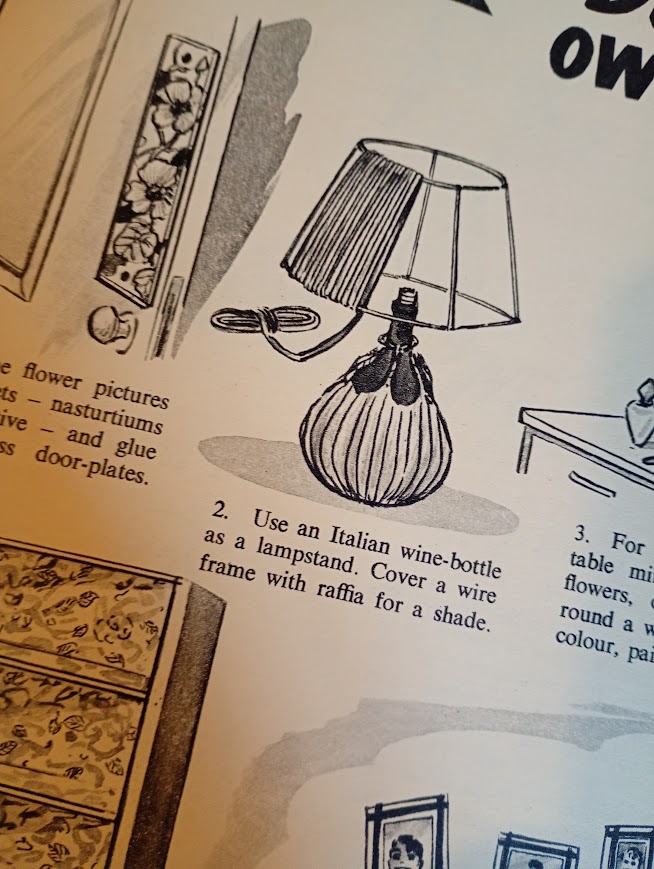
Girl, a spin-off magazine from Eagle, is something I’ve always had a lot of time for and so I was delighted to pick up several of the Girl Annuals recently. These are hardback compilations of the magazine’s content and can often have features about The British Snail Watching Society, comics about famous women from history, alongside a guide on how to bake gingerbread (but you have to solve a crossword in order to get the instructions). Variety does not even really begin to describe these; they’re often chaotic experiences which oscillate from inspirational to practical to “here’s how to make your own barbecue out of moss and raffia because everybody’s coming around for tea”.
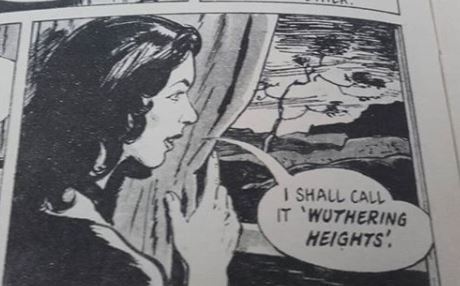
I love them. I love how Girl Annual Five gave me one of my favourite comic moments in the entire world. It’s called ‘Three Sisters of Haworth’ and it’s a biopic of the Brontë sisters – and it includes Emily being basically the coolest little thing on the planet and going “I CAN SOFTEN NOTHING” when asked to chill out over Wuthering Heights. I mean, stone cold icon right there.

I was particularly delighted by Girl Annual Eight because the copy I bought had some surprises tucked inside of it. This is one of the joys of vintage books – they often come with strange little bonuses. They can be dedications (I still remember a dedication written in French, a love poem, on a book in a charity shop…) or photographs that people have been using as bookmarks, or even actually a plastic-wrapped piece of flat cheese (honestly, if I ever meet the person who did this, we are going to have a chat…).
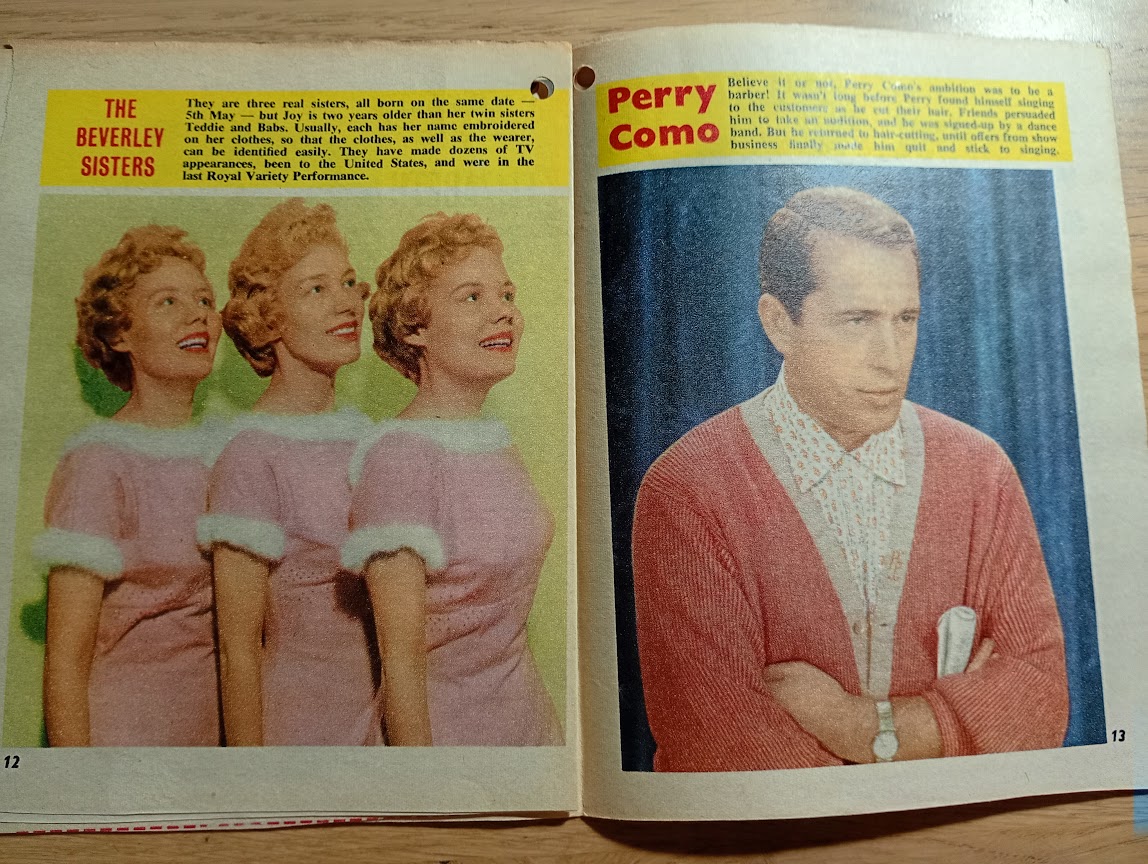
And so to the bonus material I found in one of these annuals: four supplements on the ballet, television, the “disc album” (the inverted commas aren’t there but I think implicitly they are very present), and a promotional recipe book focusing on milk. I mean: perfection. Not only is this a snapshot into (I think?) late fifties, early sixties childhood, you can also see the wavy lines at the edges where they’ve been cut out a bit exuberantly. I love stuff like this because you get a little snapshot into youth culture but also into the experience of the reader themselves. For example, I feel like they’ve had those little hole punches added in, right? I just suspect that they wouldn’t have hit the ‘Girl’ logo in that manner if they were intended. So then we’ve got the story of somebody collecting them and keeping them for future reading as well as the content itself. The layers of story about them!
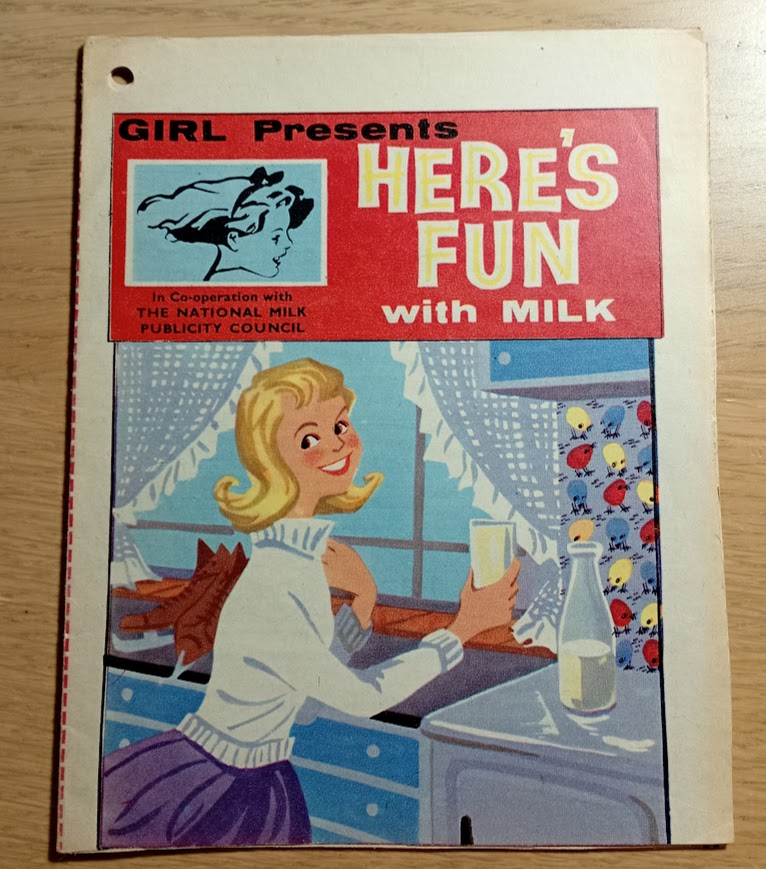
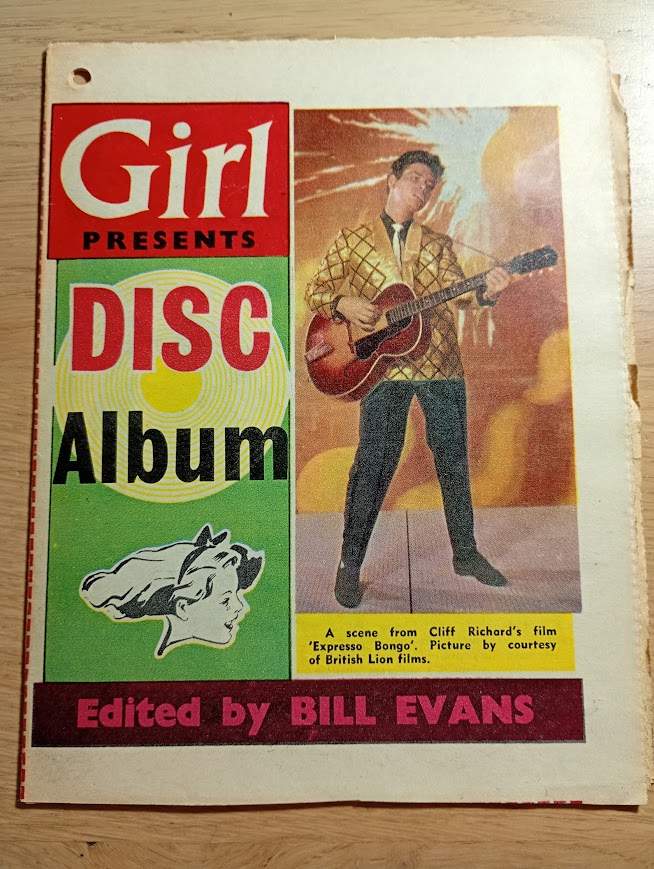
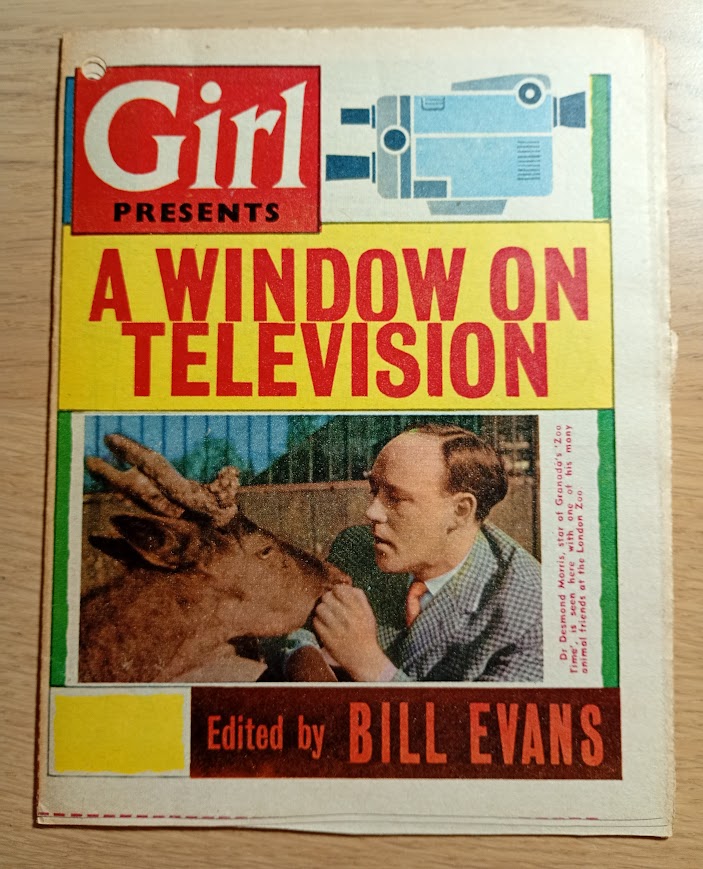
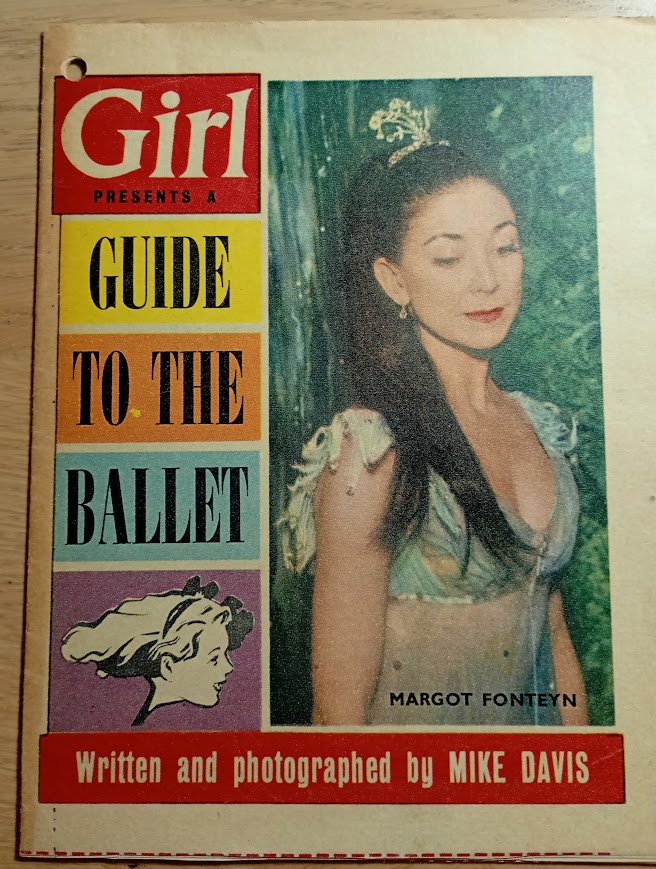
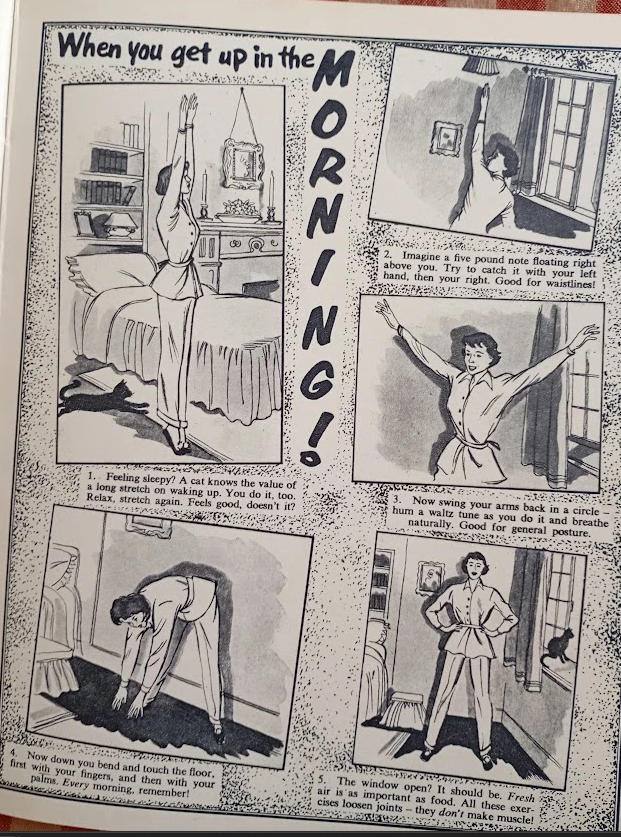
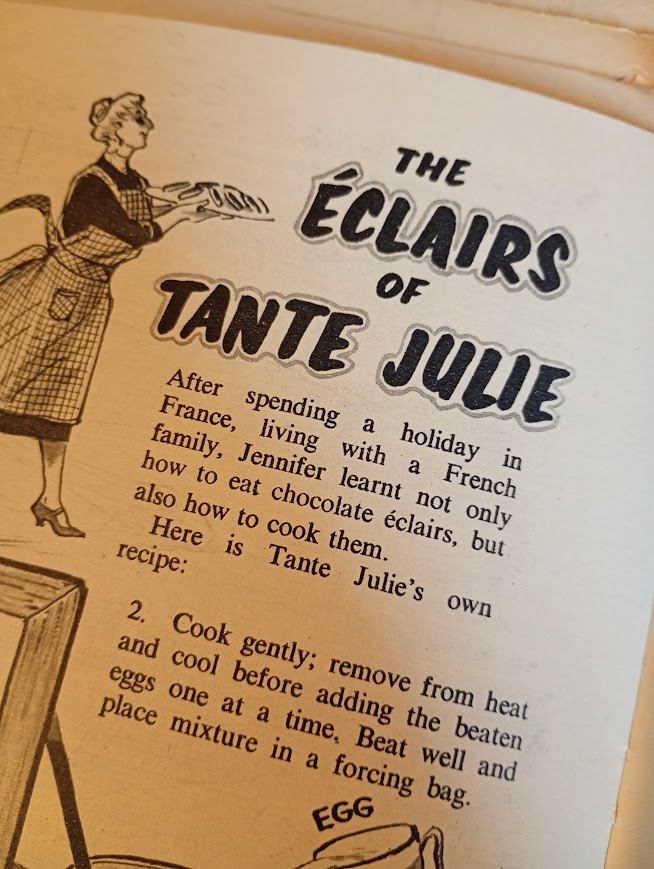
I’ll share some pictures from inside the supplements as well. Not only do we learn about Richard Todd’s dairy farm just outside of Henley, we also get to learn about some of Margot Fonteyn’s most notable roles and how to make a milkshake (add one family-sized brick of ice-cream). It’s all so innocent, somehow, and I’m fascinated at how it’s presented for the reader. I’m also fascinated by how the ballet supplement makes absolutely no sense to me (as somebody who has no awareness of the area) and yet I was very able to follow it due to a healthy reading of Lorna Hill books. (Me, wisely: Ah yes! A challenging role requiring sensitivity yet strength!).
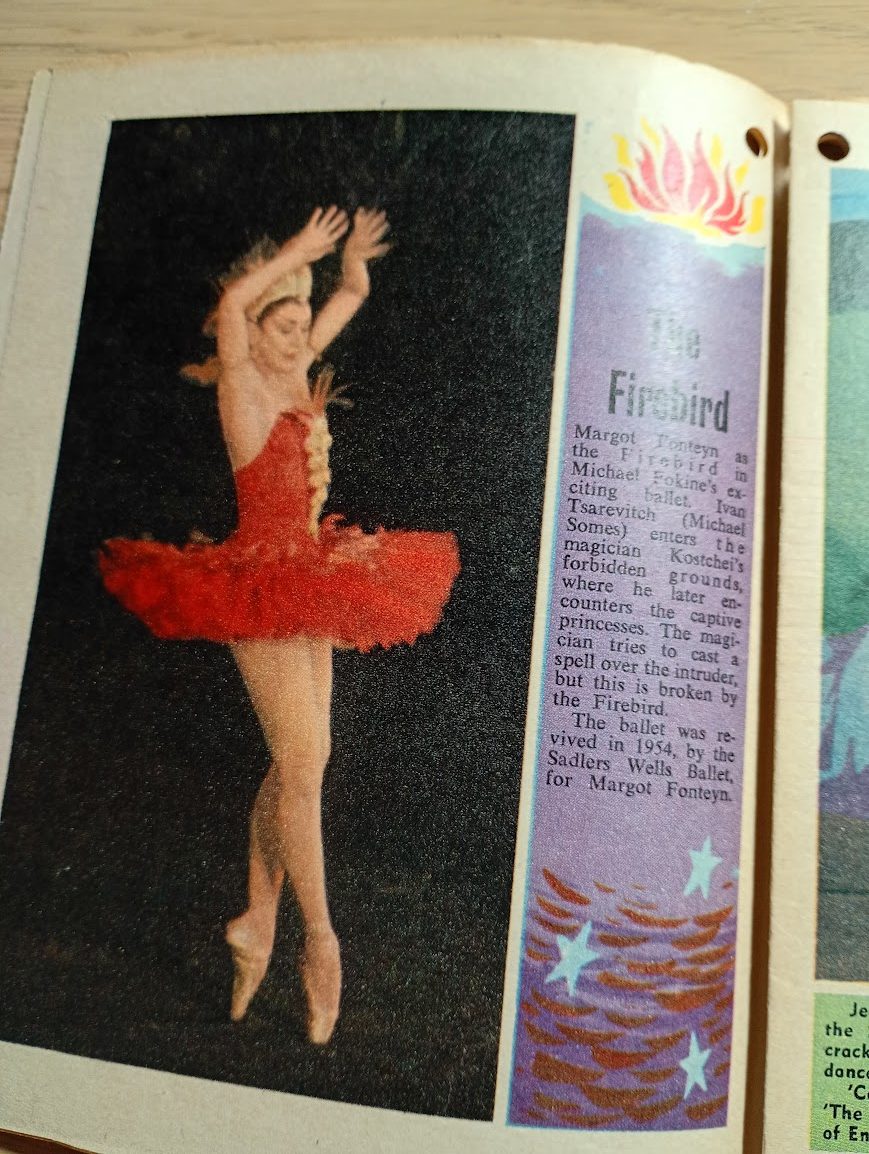
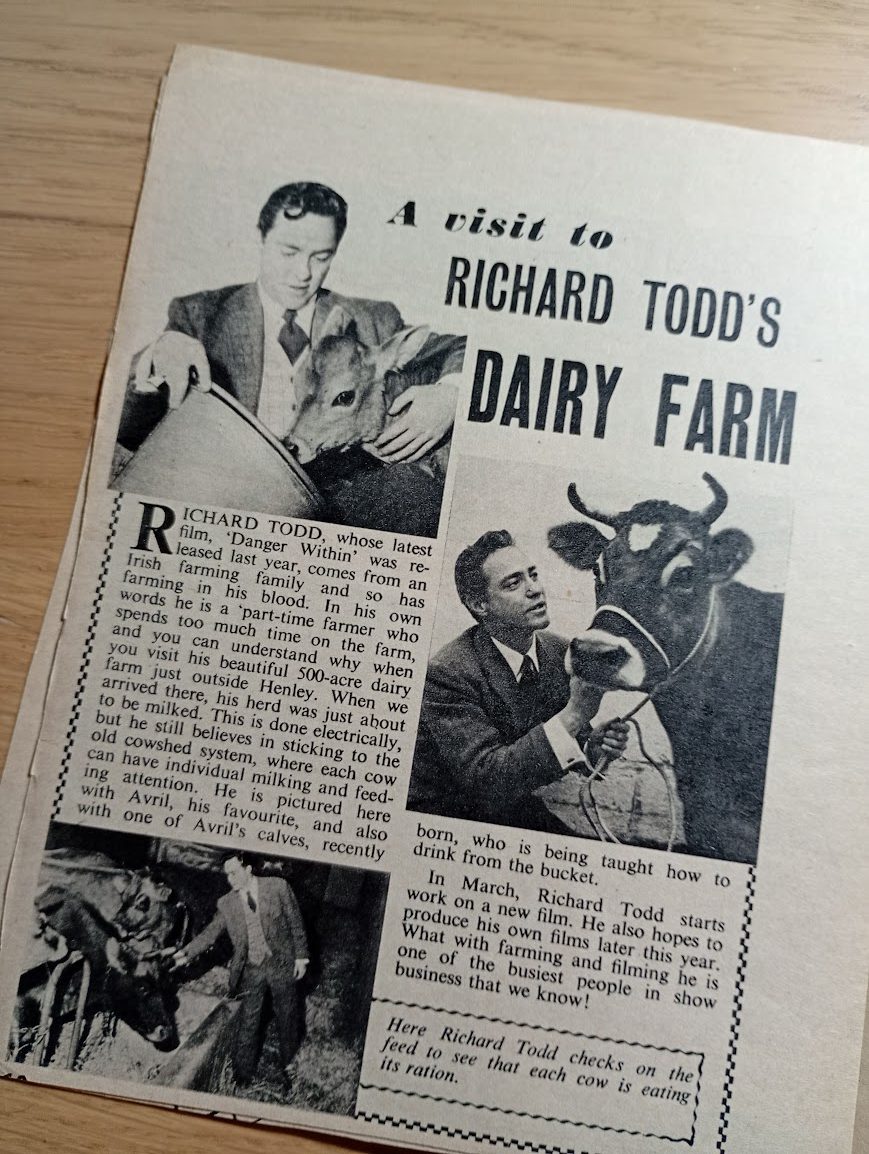
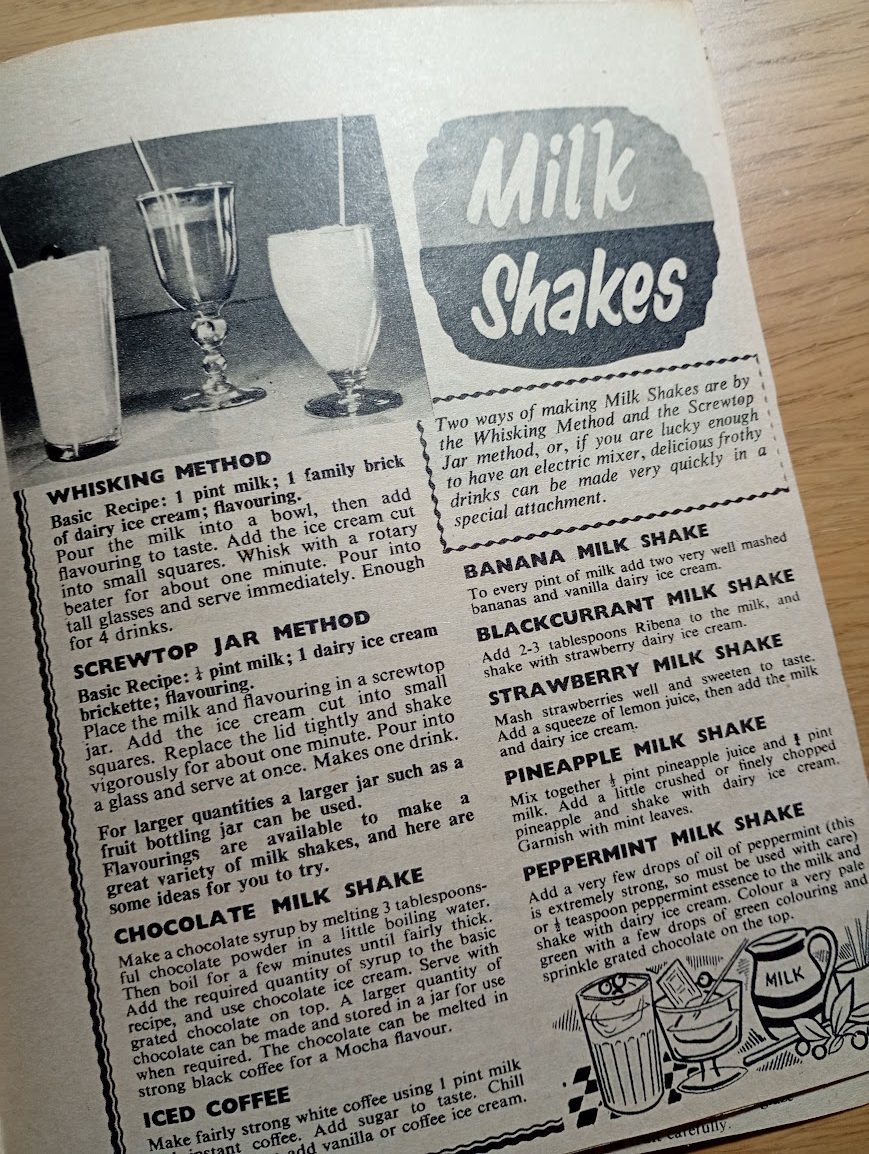
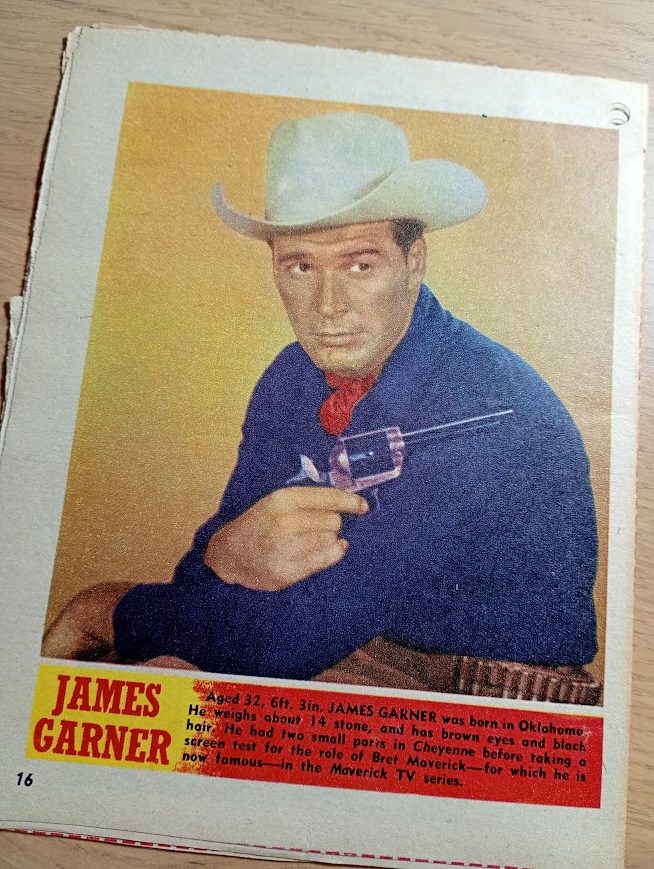
Annuals can be a funny thing to read let alone collect. Collections tend to thrive when they’re unique and odd things and annuals, by their very nature, are kind of thoroughly available things. You’ll always see a Rupert annual in a second-hand bookshop, I think, or some sort of girls+ponies title. Annuals were / are often considered as gift books and built for a certain price point and certain commercial occasions (children’s literature loves a Christmas annual, for example), and so they can get a bit … commercial? This isn’t to mark them as bad things but rather to note that by their very nature and way of being, they’re often not massively worthwhile collecting. At least, in a traditional sense of the word.
But I like to find ways beyond the traditional and look for value in objects like this because that’s what floats my literary boat. I read a lot of commercial and mass-market fiction, a lot of popular books, and a lot of what I read has been historically marginalised because of who wrote it and how it was published and who was deciding what was critically cool. (Am I over Humphrey Carpenter’s wholesale dismissal of Angela Brazil in Secret Gardens? No, I am not.)
(Actually, talking about Angela Brazil, I’m yet to read a study about prize stickers in the front of these – the amount I’ve come across which were given as Sunday School prizes!).
Literary value has been historically articulated in some very specific ways and so collections of literature have been shaped in very specific ways as a result. It’s really interesting to me, for example, that we rarely get archives of childhood ‘mess’ because that’s not easily seen as having value. And yet, for me, that’s the precise sort of thing that I want to see archived and collected and talked about. I’m not arguing here for you to scoop up every drawing your child has made and discarded (though in a way, I think that maybe I am?). What I’m arguing for is finding value in the material that isn’t necessarily, traditionally or historically understood as valuable.
Girl is valuable. It’s deliciously, delightfully valuable. Not only are these snapshots of childhood reading, they’re also lessons in social rules and expectations about girlhood, and the role of comics in British cultural history. They document crafts and makes (how to make animals out of corks! lamps out of Italian wine bottles!) that speak of trends and tastes of that time but nowadays read like something out of long lost history (and make me wonder about the loss of cultural knowledge about crafting in the process). This is culture and it’s a form of culture which can get so easily lost if you cling to traditional patterns of value and formalised ways of reading.
So screw that. Read what you want. Read how you want. Read popular. Read niche. Read historical material for children. Read contemporary. Find the links between then and now and let them become flesh, blood and bone. There is something so fascinatingly delicious about allowing these threads to happen, these connections to be made. Children’s literature does not exist in a bubble. Everything connects. And you, as the reader, you get to make the connections. And that’s everything.
 Daisy May Johnson